
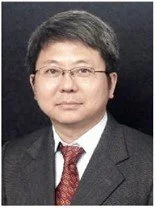
Hongliang Liang graduated from Nanjing Architectural and Civil Engineering institute in China, majoring in Hoisting Transportation and Construction Machinery (1986-1990). He came to the UK in 2001 and obtained an MSc Engineering Design and its Management degree at Huddersfield University in 2003. He has over 29 years’ experience in the field of Vertical Transportation, including 17 years in the lift and escalator industry.
Hongliang launched his own business as Aliang Lift Design Studio Ltd in April 2020, providing survey/ design for modernisation and full replacement projects to the lift suppliers and contractors, also VT consultancy, traffic analysis, VT system design, detailed design, tender negotiation for redevelopment and new development projects to engineers, VT consultants, architects and the developers.
Artificial intelligence (AI) has been applied in elevator systems for more than three decades—long before the modern surge in AI applications across other engineering sectors. Early implementations were narrow in scope and structurally constrained by the mechanical and safety-critical nature of elevator systems.
This paper presents a substantially expanded and academically aligned review of historical and contemporary AI applications in vertical transportation. Drawing on established research and the author’s experience with Japanese elevator systems, the paper clarifies the technical boundaries of AI feasibility and distinguishes deterministic safety authority from AI-assisted supervisory functions. A forward-looking analysis identifies realistic future applications in diagnostics, monitoring, optimisation, and commissioning. The paper aims to contribute to a more rigorous engineering understanding of AI’s proper role within vertical transportation.
THE APPLICATION OF ARTIFICIAL INTELLIGENCE IN VERTICAL TRANSPORTATION
Hongliang Liang,
Aliang Lift Design Studio, UK