
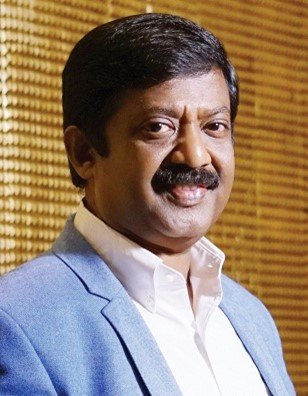
V.JAGADISH KUMAR,B.E (Mech), IGBC-AP
PRINCIPAL CONSULTANT & DIRECTOR,L’Avenir Consultancy pvt.ltd,
With over 33 years of experience , Is heading one of India's leading Vertical transportation consulting firm, L’Avenir lift consultancy associated with various landmark projects in India with vertical transportation consulting services and having 15000+ units under consulting base currently.
Chairman, ISHRAE Vertical transportation sub committee for preparing Energy performance standards for Buildings in India.
Chairman-VT committee for IGBC -Systems commissioning module preperation
Co Chairman, ECSBC 2025 CODE REVISIONS - Vertical transportation sub committee for preparing Energy conservation sustainability building codes for BEE, Govt of India.
NBC 2025 standards review panel member
Member of Syllabus preparation for Lift technician course for Ministry of labour &Employment,Govt .of india, under Skill development initiative.
Was Member of IGBC(Indian Green Building Council) core committee,Bangalore .
Member -FOCUS (Forum Of Critical Utility Services)
Author - Unique Coffee Table book on Global History of Elevators -L'Avenir ELEVATOR HERITAGE
The evolution of luxury high-rise residential towers in India has fundamentally reshaped expectations from Vertical Transportation (VT) design. As developers pursue increasingly premium living experiences, elevators are no longer mere utility components but core lifestyle enablers that define comfort, privacy, security, and service efficiency. Contemporary VT planning integrates granular user profiling - residents, visitors, house helps, service personnel, and even pets - to ensure seamless movement patterns within dense vertical communities.
Design strategies now emphasise differentiated circulation, with dedicated passenger, service, and fire-rated evacuation lifts that minimise cross-flow and protect resident privacy. Smart destination control systems improve handling capacity during peak periods, while personalising journeys through touchless access, app-based call registration, and zoned access restrictions. The rise of pet-friendly luxury homes introduces additional considerations such as quieter cabins, anti-microbial interiors, and selective pet-movement routing to avoid resident–pet conflicts during peak hours.
Furthermore, the role of house helps - a unique aspect of Indian residential dynamics—requires sensitive VT planning. Separate service cores, back-of-house lift access, and controlled lobby sequencing enable efficient daily operations without compromising the upscale experience expected by homeowners. Visitor traffic is managed through integrated lobby management systems and distributed lift banks that reduce waiting times while maintaining high security standards.
Across cities like Mumbai, Gurgaon, Bengaluru, Hyderabad, and Chennai, VT design now contributes significantly to the overall luxury perception of a tower. The integration of AI-driven traffic prediction, energy-efficient regenerative drives, and high-speed lifts ensures both sustainability and performance. Ultimately, the shaping of VT in India’s luxury high-rise segment reflects a shift towards human-centric mobility - one that anticipates every user journey, celebrates convenience, and ensures that vertical living remains effortless, elegant, and future-ready.
VERTICAL TRANSPORTATION IN SUPER-TALL LUXURY RESIDENTIAL TOWERS IN INDIA
Jagadish Kumar
Lavenir Consultancy pvt ltd, India